
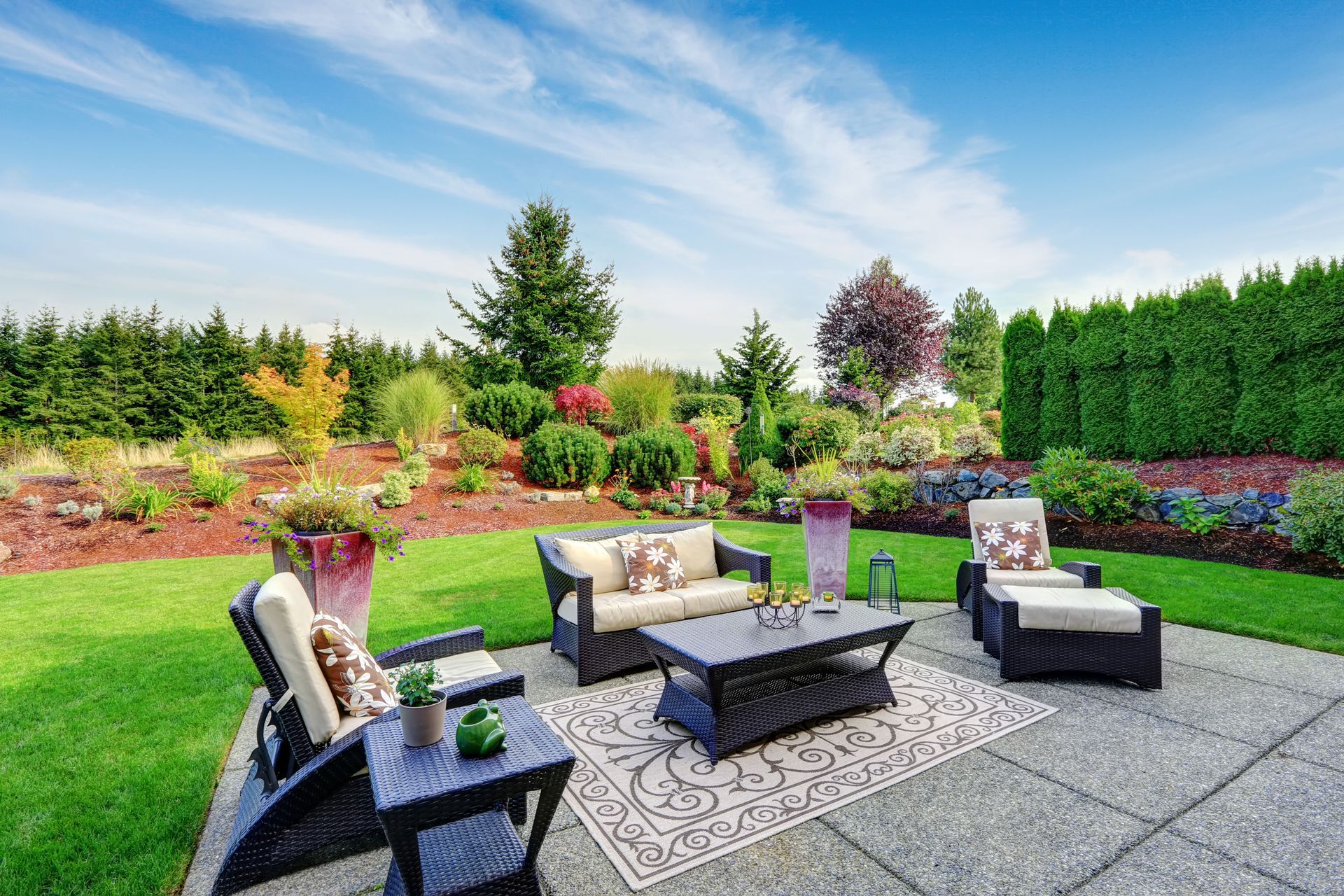
Are you looking to expand your outdoor living space? Keep reading to discover why custom concrete services are perfect for doing so.
Looking to enhance your outdoor space? Discover expert hardscape construction services that create functional, beautiful backyard environments.
Custom concrete patios are rapidly becoming a trend in enhancing outdoor living spaces, offering a blend of versatility, durability, and functionality that is unparalleled. These patios are not only structurally sound but also aesthetically appealing, accommodating a wide array of design preferences and functional needs. As homeowners seek to create unique and enjoyable outdoor environments, custom concrete patios present a compelling solution. With advancements in concrete technology, these patios can now be tailored to meet specific tastes, whether that involves vibrant colors or intricate patterns. Overall, custom concrete services provide an enticing option for homeowners looking to enhance both the aesthetics and usability of their outdoor spaces. 1. Aesthetic Versatility Custom concrete services offer an astonishing variety of design possibilities that cater to diverse preferences and styles. Whether a homeowner desires a modern, sleek finish or a rustic stone look, concrete can be molded to meet these wide-ranging tastes. The process of designing a custom concrete patio allows for integration with the existing landscape or architectural style of the home, creating a seamless transition between indoor and outdoor spaces. This versatility means that patrons are not confined to traditional flat gray surfaces, but can explore creative pathways like geometric patterns or artistic motifs. With such a wide range of design options, homeowners can create visually stunning outdoor spaces that are truly their own. The ability to customize colors and textures is one of the primary reasons custom concrete patios have gained immense popularity. Through staining, painting, and acid wash techniques, homeowners can infuse their patios with a unique aesthetic that complements their overall design vision. Textural variations, meanwhile, can provide either a smooth, sleek finish or a rugged surface that mimics natural stone. By playing with different combinations of colors and textures, homeowners can match their patio precisely to their taste and any existing outdoor decor themes. This customization capability significantly enhances the visual appeal and personal touch of concrete patios. Patterns add a layer of excitement to concrete patios, transforming them from merely functional surfaces to captivating outdoor works of art. Techniques such as stamping and scoring allow for the creation of appealing patterns that may resemble brick, stone, or even intricate tile layouts. These patterns help break the monotony of plain surfaces, offering a visually stimulating aspect that draws attention and admiration. Furthermore, patterns can be accentuated with borders or contrasting colors that elevate the design. The incorporation of unique patterns allows homeowners to showcase creativity and set their outdoor living spaces apart. 2. Enhanced Durability Custom concrete patios are renowned for their resilience against even the harshest weather conditions. Unlike wood decks that may warp or rot over time, concrete provides a sturdy alternative that withstands rain, snow, and intense heat with ease. This resilience ensures that patios maintain their structural integrity and aesthetic value in various climates. Proper sealants and finishing techniques further enhance this resistance, preventing moisture penetration and reducing weather-related wear. By investing in a custom concrete patio, homeowners can enjoy a long-lasting outdoor space that remains beautiful through the seasons. The inherent strength of concrete plays a significant role in its durability as a patio material. Known for its compressive strength, concrete can handle heavy loads and foot traffic without showing signs of distress. According to HomeGuide, new concrete can be walked on after 24 to 48 hours, but heavy foot traffic, furniture placement, and pets should be avoided for three days to ensure proper curing. This sturdiness makes concrete an excellent choice for high-traffic areas, providing a reliable surface that stands the test of time. The combination of toughness and longevity ensures homeowners can enjoy their patios for many years with minimal maintenance. A major advantage of custom concrete patios is their relatively low maintenance needs compared to other materials such as wood or pavers. Periodic cleaning with a hose or pressure washer typically suffices to remove dirt and debris, maintaining the patio's fresh look. Occasional resealing can enhance its durability by protecting it from stains and minor surface wear. Moreover, concrete's resistance to insects and mold means homeowners spend less time and resources on upkeep. As a result, custom concrete patios offer a stress-free option for those seeking a durable and easy-to-maintain outdoor space. 3. Increased Functionality Custom concrete patios are uniquely suited to serve multiple purposes, making them valuable assets for homeowners seeking versatility in their outdoor spaces. A well-designed patio can function as a dining area, lounging space, and entertainment zone all at once. Features such as built-in seating, fire pits, and planters can be seamlessly integrated into the concrete design, expanding the patio's utility. Such multi-purpose use maximizes the value of the patio, offering enjoyment and practicality throughout the year. With thoughtful design, custom concrete services become adaptable spaces that cater to diverse activities and needs. The scope of custom concrete patios extends beyond basic flooring, as they can also incorporate various outdoor living features that enhance the experience of the space. For instance, kitchens equipped with counters, grills, and sinks can be constructed within the patio, creating an outdoor culinary retreat. Water features like fountains or small ponds, along with fire elements such as fireplaces and fire pits, can create a relaxing ambiance. By integrating these features into the patio design, homeowners can bring the comforts and conveniences of indoor living to their outdoor environments. These additions not only enrich the functionality but also increase the enjoyment of the outdoor space. 4. Eco-friendly Solutions As sustainability becomes a pressing concern for many homeowners, the use of eco-friendly materials in constructing custom concrete patios is increasingly prioritized. Materials that include recycled content reduce the need for virgin resources and lessen environmental impact. Concrete can also incorporate fly ash or slag, both industrial byproducts, which contribute to more sustainable and durable mixtures. These innovations make it possible for consumers to choose environmentally responsible options without sacrificing performance or aesthetics. By opting for sustainable materials, custom concrete patios contribute to broader environmental goals while enhancing outdoor living spaces. Choosing light-colored finishes for custom concrete patios can significantly impact energy efficiency surrounding homes. Light hues reflect more sunlight than darker shades, reducing heat absorption and contributing to cooler patio surfaces, particularly in warm climates. This characteristic lowers the dependence on artificial cooling during warmer months, promoting energy savings. Moreover, a cooler concrete surface can improve the comfort level for both people and pets enjoying the patio milieu. By making energy-efficient color choices, homeowners can enjoy a more comfortable environment while also achieving a reduction in energy consumption. 5. Value Addition to Property Custom concrete patios are not only functional spaces but powerful tools for boosting a property's curb appeal. With a variety of finishes, colors, and patterns, these patios serve as an attractive entrance or highlight within a landscape design. The aesthetic appeal of a well-crafted custom concrete patio enhances the overall look of a home, drawing potential buyers and visitors alike. Thoughtful design and attention to detail can transform a patio into an eye-catching focal point, improving the first impression of the property. By investing in such enhancements, homeowners can elevate both the exterior beauty and appeal of their homes. Custom concrete patios offer significant returns on investment for homeowners looking to enhance their properties. The combination of aesthetic appeal and durability makes these patios a desirable feature for prospective buyers, increasing the allure and value of the home. The cost of installing a concrete patio is often recouped in the property's selling price, yielding a high return on investment in the real estate market. Further, the longevity and low maintenance of concrete ensure lasting value without significant upkeep costs. Homeowners who choose custom concrete patios benefit from both immediate enjoyment and potential financial gains during resale. Custom concrete services for patios offer a well-rounded solution for homeowners looking to elevate their outdoor living spaces. By combining design flexibility, long-term durability, practical functionality, and eco-conscious options, these patios deliver lasting value and visual appeal. Whether enhancing daily enjoyment or increasing property worth, custom concrete patios stand out as a smart and adaptable investment for modern homes. For more information about the services that we offer, reach out to our incredible team at Culman Construction Inc today!

